
In short
- Accommodation consists of large woven hammocks called chinchorros.
- Stays take place at remote indigenous settlements known as rancherías.
- Bathrooms use bucket showers, and fresh water is incredibly scarce.
In this article
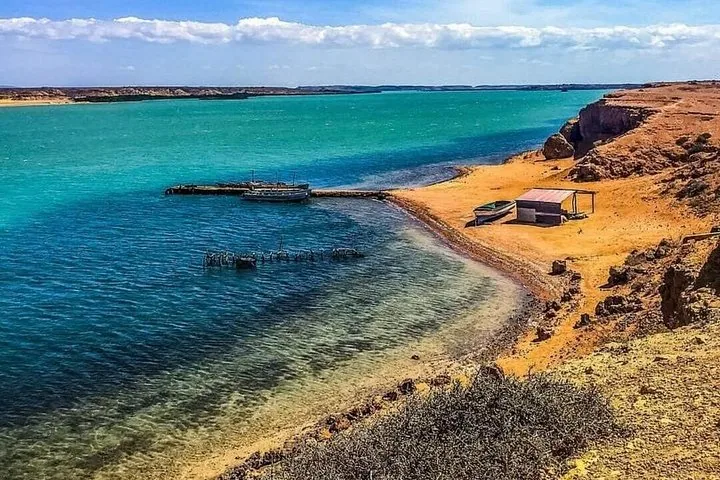
When booking a trip to the northernmost point of South America, prepare for remote conditions. Standard hotels do not exist past Riohacha. Tours partner with local Wayuu families to host travelers in traditional rancherías.
What is a chinchorro hammock?
A chinchorro is a large, hand-woven hammock used by the indigenous Wayuu people.
These hammocks are much wider than standard camping hammocks. You sleep in them diagonally to lie flat. They hang under covered structures at local rancherías, providing shelter from the desert wind and sun.
What are the rancherías like?
Rancherías are small, traditional Wayuu settlements scattered across the desert.
These settlements serve as your base camp for the night. They provide a place to eat meals featuring traditional food like fish and goat. Facilities are highly basic, reflecting the harsh realities of desert life.
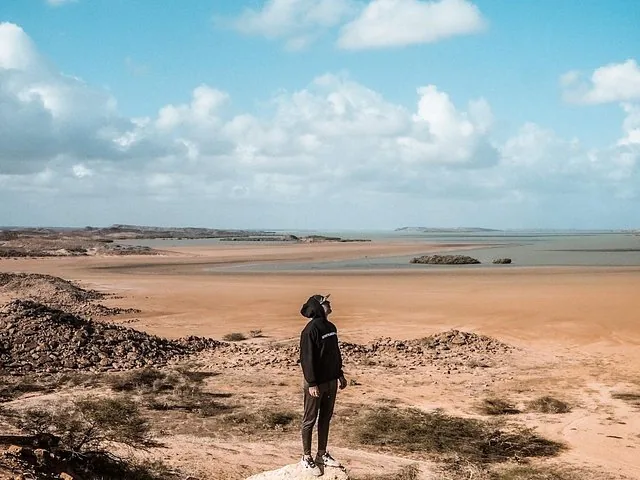
Are there regular showers and toilets?
Bathrooms are basic, often utilizing bucket showers instead of running water.
Fresh water is incredibly scarce in the La Guajira desert. You must use water sparingly when showering. Bring your own basic toiletries, a quick-dry travel towel, and wet wipes to stay clean.
Is there electricity at the rancherías?
Electricity is limited and usually runs on generators at night.
You will have a brief window to charge devices in the evening. Bring a headlamp or flashlight, as pathways are very dark at night. There is absolutely no cellular signal in these remote areas.
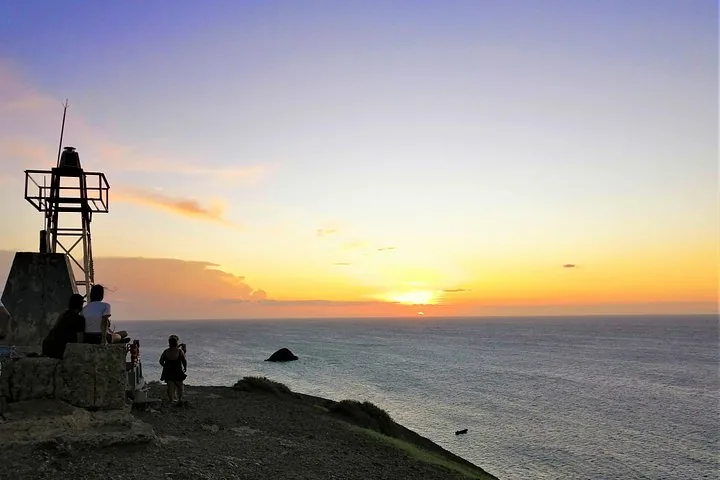
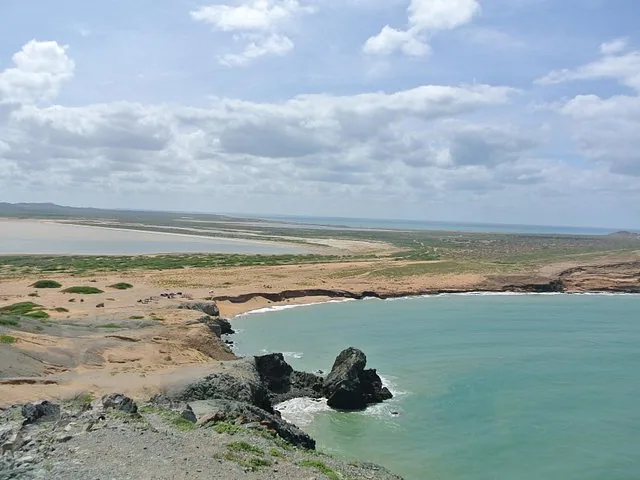
Can I sleep in a bed in Punta Gallinas?
Standard tours include chinchorros, though some rancherías offer a few basic beds for an extra fee.
If a bed is available, it will be extremely simple. Upgrading usually requires paying extra directly to the host family. However, sleeping in a chinchorro remains the standard way to experience this region.
What should I pack for sleeping in the desert?
Bring warm layers, a headlamp, and personal hygiene items.
- Lightweight, long-sleeved clothing to block the coastal wind.
- A personal headlamp because electricity shuts off early.
- Basic toiletries, wet wipes, and a quick-dry travel towel.
- Small bills in Colombian Pesos for snacks at the ranchería.
Questions travellers ask
Can I sleep in a bed in Punta Gallinas?
Standard tours use chinchorros by default. Basic beds are rarely available and always cost an extra fee.
What is a chinchorro hammock?
It is a large, hand-woven hammock made by the Wayuu people. You sleep in it diagonally so your body lies flat.
What do you eat at the rancherías?
Meals typically feature traditional food like local fish and goat, prepared by the host families.